Why Competency Frameworks Are Becoming Essential for Organisational Growth

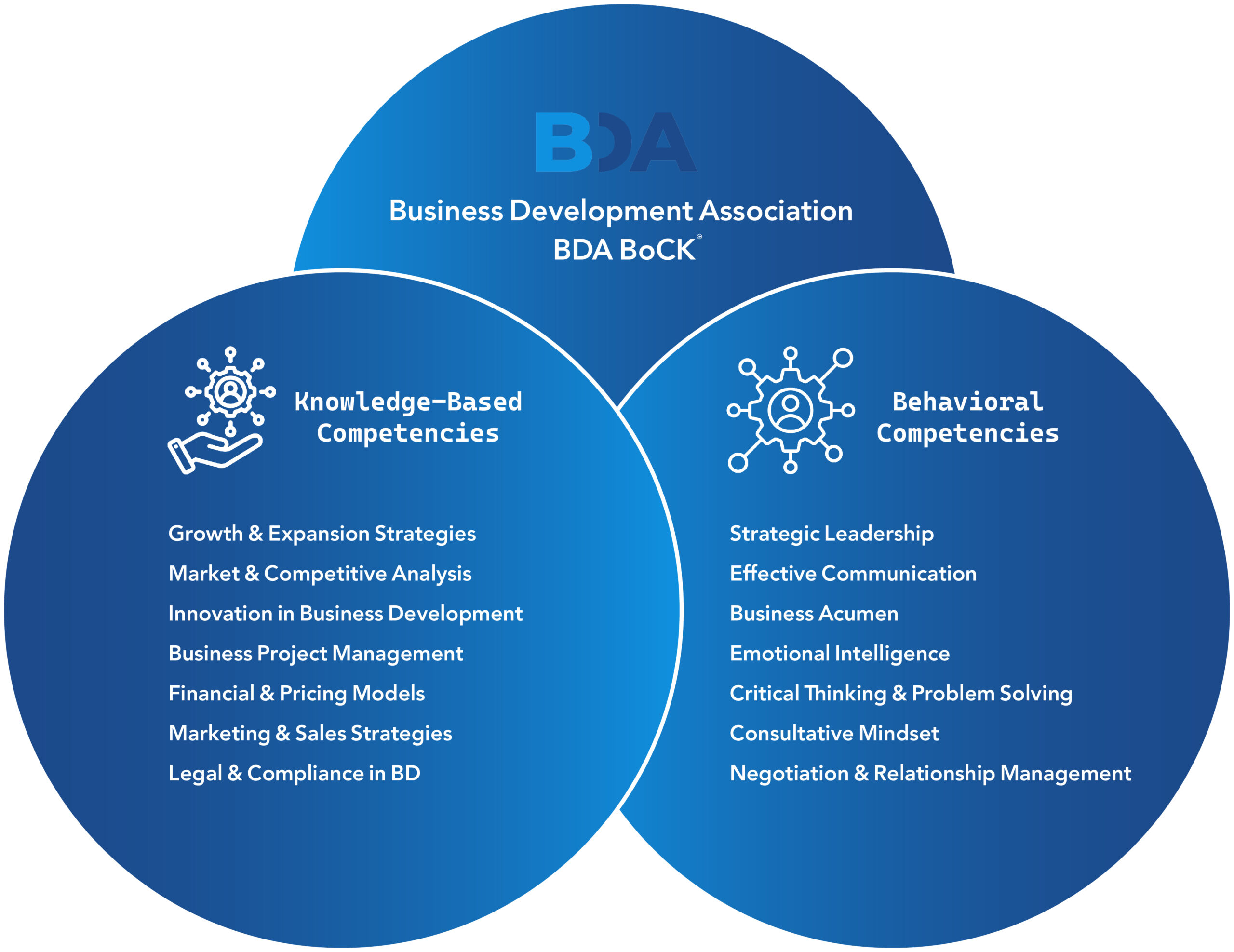
BDA Body of Competency & Knowledge

Competency Frameworks and the Future of Organisational Capability

Over the past decade, organisations have invested billions into:

  • digital transformation
  • automation
  • AI systems
  • operational optimisation
  • analytics platforms

Yet many organisations still struggle with:

  • inconsistent leadership
  • weak strategic execution
  • fragmented decision-making
  • capability gaps
  • poor cross-functional alignment

The issue, in many cases, is not technology.

It is capability.

Modern organisations are increasingly discovering that sustainable growth depends not only on systems and processes, but on whether people across the organisation possess the competencies required to operate strategically, collaboratively, and consistently within increasingly complex environments.

This is one of the primary reasons competency frameworks have become far more important than traditional job descriptions or isolated training programmes.

According to the BDA Body of Competency & Knowledge (BDA BoCK®), competency frameworks help organisations establish structured alignment between:

  • organisational strategy
  • professional capability
  • behavioural expectations
  • leadership readiness
  • long-term growth objectives

Rather than focusing only on tasks or operational responsibilities, competency frameworks define the deeper capabilities that enable organisations to grow, adapt, and execute effectively.

And in today’s economy, that distinction matters more than ever.

What Is a Competency Framework?

At its core, a competency framework is a structured model that defines the:

  • knowledge
  • behaviours
  • strategic capabilities
  • professional standards

required for effective performance within a discipline or organisational environment.

Importantly, competency frameworks do not simply describe what people do.

They clarify:

  • how professionals think
  • how they communicate
  • how they make decisions
  • how they lead
  • how they contribute strategically

This is where competency frameworks differ significantly from traditional role descriptions.

A job description may explain responsibilities.

A competency framework explains capability.

For example, two professionals may hold the same title, manage similar responsibilities, and possess comparable technical experience — yet perform very differently under pressure, during transformation, or when navigating strategic complexity.

Competency frameworks help organisations understand why.

Why Traditional Organisational Structures Are No Longer Sufficient

For many years, organisations evaluated people primarily through:

  • titles
  • years of experience
  • qualifications
  • operational output

That model worked reasonably well in relatively stable environments.

Modern organisations, however, no longer operate in stable environments.

Today’s business landscape is shaped by:

  • AI disruption
  • ecosystem competition
  • rapidly changing customer behaviour
  • digital acceleration
  • geopolitical uncertainty
  • continuous transformation

As a result, organisations increasingly require professionals capable of:

  • strategic thinking
  • adaptability
  • stakeholder management
  • innovation
  • collaborative leadership
  • complex decision-making

These capabilities are difficult to evaluate through conventional organisational structures alone.

A senior title does not automatically indicate strategic capability.

Likewise, technical expertise alone does not guarantee leadership effectiveness.

This is one reason competency frameworks are becoming central to modern organisational design.

The Organisations Growing Fastest Often Share One Thing in Common

Many high-performing organisations appear very different externally.

Some are multinational corporations.
Others are public institutions.
Some are fast-scaling startups.
Others are nonprofit or development organisations.

Yet beneath the surface, many share a common characteristic:

clarity of capability expectations.

People inside these organisations often understand:

  • what effective leadership looks like
  • how decisions should be made
  • which behaviours matter
  • how collaboration operates
  • what strategic capability means in practice

That clarity rarely happens accidentally.

Competency frameworks help create it.

Without structured capability definitions, organisations frequently experience:

  • inconsistent leadership standards
  • fragmented communication
  • uneven decision-making
  • disconnected development initiatives
  • weak succession planning

In many cases, organisational confusion does not stem from a lack of effort.

It stems from a lack of shared understanding.

Competency Frameworks Connect Strategy to Execution

One of the most overlooked realities in organisational growth is this:

strategy depends on capability.

An organisation may define ambitious objectives related to:

  • market expansion
  • innovation
  • AI transformation
  • partnerships
  • customer experience
  • digital growth

Yet still fail operationally because workforce capabilities are not aligned with strategic ambition.

This happens more often than many organisations realise.

Technology can often be implemented relatively quickly.

Strategic capability cannot.

Capability requires:

  • behavioural alignment
  • leadership maturity
  • communication quality
  • decision-making consistency
  • strategic understanding

Competency frameworks help bridge this gap between:

strategic ambition

and

organisational readiness.

According to the BDA BoCK®, competencies such as:

  • Strategic Leadership
  • Market & Competitive Analysis
  • Negotiation & Relationship Management
  • Growth & Expansion Strategies

play a direct role in strengthening strategic business development capability within modern organisations.

Leadership Development Has Changed Fundamentally

One of the biggest shifts in modern organisations is that leadership itself has become more complex.

In the past, leadership often relied heavily on:

  • operational oversight
  • technical expertise
  • hierarchical authority

Today, leaders increasingly operate in environments requiring:

  • influence without control
  • cross-functional collaboration
  • ecosystem thinking
  • adaptability
  • stakeholder alignment
  • continuous decision-making under uncertainty

This has transformed how organisations approach leadership development.

Competency frameworks allow organisations to define leadership in more practical and measurable ways.

Rather than relying on vague concepts such as “strong leadership presence”, frameworks can define observable competencies related to:

  • communication
  • emotional intelligence
  • strategic judgement
  • problem-solving
  • consultative capability

This creates far greater clarity for:

  • succession planning
  • executive development
  • performance evaluation
  • leadership readiness

Particularly during periods of transformation, organisations with strong competency alignment often adapt far more effectively than those relying purely on hierarchy or operational experience.

Competency Frameworks Are Not Just HR Tools

One of the most common misconceptions is that competency frameworks belong exclusively within HR departments.

In reality, competency frameworks increasingly influence:

  • strategy execution
  • organisational governance
  • leadership alignment
  • growth readiness
  • transformation capability

Forward-looking organisations are beginning to treat competencies as:

strategic infrastructure

rather than administrative documentation.

This shift is becoming especially visible within:

  • business development
  • digital transformation
  • innovation management
  • strategic partnerships
  • leadership development

because these areas depend heavily on behavioural and strategic capability — not technical knowledge alone.

The BDA BoCK® reflects this approach by integrating both:

  • behavioural competencies
    and
  • knowledge-based competencies

within a unified strategic framework for business development capability.

AI Is Making Human Capability More Important — Not Less

There is a growing assumption that AI will eventually reduce the importance of human professional capability.

In practice, the opposite may be happening.

As AI increasingly automates:

  • reporting
  • administration
  • analytics processing
  • repetitive operational tasks

human capability becomes more strategically valuable.

Organisations increasingly need professionals capable of:

  • interpreting complexity
  • building trust
  • leading stakeholders
  • navigating ambiguity
  • exercising judgement
  • managing relationships

These are competency-driven capabilities.

AI may accelerate information access.

But it does not automatically create:

  • strategic leadership
  • emotional intelligence
  • negotiation capability
  • stakeholder trust
  • organisational judgement

This is one reason competency frameworks are becoming more important within AI-enabled organisations, not less.

Why Competency Frameworks Matter in Business Development

Business development is one of the clearest examples of why competency-based structures matter.

Historically, business development was often interpreted narrowly as:

  • sales support
  • networking
  • lead generation

Modern business development, however, now operates at the intersection of:

  • growth strategy
  • partnerships
  • market analysis
  • stakeholder management
  • innovation
  • expansion planning

This requires significantly broader capability.

According to the BDA BoCK®, effective business development professionals require integrated competencies across:

  • leadership
  • communication
  • market intelligence
  • strategic thinking
  • negotiation
  • consultative engagement

Without structured competency frameworks, organisations often struggle to:

  • define business development clearly
  • evaluate capability consistently
  • build scalable BD functions
  • align growth strategy effectively

Competency frameworks therefore help transform business development from an informal commercial activity into a structured strategic discipline.

Competency Frameworks Improve Organisational Scalability

As organisations grow, inconsistency becomes increasingly expensive.

Different departments may:

  • interpret expectations differently
  • develop conflicting standards
  • manage teams inconsistently
  • apply uneven decision-making approaches

Competency frameworks help reduce this fragmentation by creating:

  • common professional language
  • shared behavioural expectations
  • consistent capability standards
  • clearer development pathways

This becomes especially important in:

  • multinational organisations
  • scaling companies
  • cross-functional teams
  • public-private ecosystems
  • transformation environments

Scalability ultimately depends not only on systems and technology, but also on behavioural consistency and strategic alignment.

The Future Belongs to Capability-Driven Organisations

Many organisations still compete primarily through:

  • products
  • pricing
  • technology
  • operational efficiency

Increasingly, however, long-term advantage is shifting towards:

  • adaptability
  • strategic capability
  • leadership quality
  • ecosystem positioning
  • organisational intelligence

This is gradually changing how organisations think about talent, leadership, and growth.

Future-ready organisations are increasingly recognising that competency frameworks are not static HR documents.

They are:

capability architectures.

And those capability architectures increasingly influence whether organisations can:

  • scale effectively
  • innovate consistently
  • navigate disruption
  • lead transformation
  • sustain long-term growth

Conclusion

Competency frameworks matter because modern organisations require more than operational execution alone.

They require:

  • strategic capability
  • leadership alignment
  • behavioural consistency
  • adaptable professionals
  • scalable organisational systems

In increasingly AI-driven and rapidly changing environments, organisations can no longer rely solely on titles, experience, or informal development models to build long-term capability.

According to the BDA BoCK®, competency-based frameworks help organisations align:

  • people
  • strategy
  • growth
  • leadership
  • execution

within a more structured and sustainable model for professional and organisational development.

As business environments continue evolving, competency frameworks will likely become one of the defining foundations of resilient, high-performing, and strategically aligned organisations.

The 14 Core Competencies of a Successful Business Development Professional

BDA BoCK body of competency and knowledge

Business development has evolved far beyond traditional sales activity.

Modern organisations increasingly rely on business development professionals to:

  • drive strategic growth
  • build high-value partnerships
  • identify market expansion opportunities
  • support innovation
  • strengthen ecosystem positioning
  • navigate complex stakeholder environments

As the discipline continues to mature globally, organisations are placing greater emphasis on structured competency development rather than informal commercial experience alone.

This shift is transforming business development into a recognised professional discipline built on measurable capabilities, strategic frameworks, and governance-oriented practice.

The Business Development Association (BDA®) developed the BDA Body of Competency & Knowledge (BDA BoCK®) to define the competencies required for effective business development practice across industries, sectors, and organisational environments.

The framework identifies 14 core competencies that combine behavioural capability with strategic and operational business knowledge.

Together, these competencies form the foundation of modern business development professionalism.

Why Competencies Matter in Business Development

Many organisations still evaluate business development performance primarily through:

  • revenue outcomes
  • sales activity
  • networking ability
  • pipeline generation

While these indicators remain important, they do not fully reflect the complexity of modern business development roles.

Today’s business development professionals often operate across:

  • strategic partnerships
  • ecosystem collaboration
  • market expansion
  • innovation initiatives
  • cross-functional growth planning
  • institutional transformation

This requires significantly broader capability.

Competency frameworks help organisations:

  • define professional expectations
  • develop workforce capability
  • standardise performance criteria
  • improve hiring quality
  • support leadership development
  • align growth functions strategically

Competency-based business development is becoming increasingly important as organisations adopt more structured approaches to growth and capability management.

The Two Competency Domains in the BDA BoCK®

The BDA BoCK® organises competencies into two integrated domains:

Behavioural Competencies

These focus on leadership behaviours, communication capability, decision-making, and relationship management.

Knowledge-Based Competencies

These focus on applied business development knowledge areas required for strategic growth execution.

Together, these domains create a balanced professional capability model aligned with modern business development practice.

Behavioural Competencies

Behavioural competencies define how professionals lead, communicate, negotiate, and operate within complex business environments.

These competencies are increasingly important in:

  • partnership ecosystems
  • enterprise growth environments
  • stakeholder management
  • strategic leadership roles

1. Strategic Leadership

Strategic Leadership refers to the ability to align business development activities with long-term organisational objectives.

Professionals demonstrating this competency can:

  • evaluate growth opportunities strategically
  • align partnerships with organisational goals
  • support transformation initiatives
  • guide complex decision-making
  • lead cross-functional growth efforts

Strategic leadership is increasingly important in organisations managing:

  • expansion initiatives
  • global partnerships
  • AI-enabled growth systems
  • ecosystem-driven business models

2. Effective Communication

Business development professionals must communicate effectively across diverse stakeholder groups.

This includes:

  • executive communication
  • negotiation
  • strategic presentations
  • stakeholder engagement
  • proposal development
  • consultative discussions

Effective communication supports:

  • relationship quality
  • organisational alignment
  • trust-building
  • collaboration effectiveness

As partnership environments become more complex, communication capability becomes increasingly valuable.

3. Business Acumen

Business Acumen refers to understanding how organisations create, sustain, and scale value.

Professionals with strong business acumen can:

  • interpret commercial dynamics
  • evaluate growth models
  • assess organisational priorities
  • align BD initiatives with business objectives

This competency supports stronger strategic reasoning and more commercially sustainable decision-making.

4. Emotional Intelligence

Business development remains fundamentally relationship-driven.

Emotional Intelligence enables professionals to:

  • manage stakeholder dynamics
  • navigate conflict
  • build trust
  • strengthen collaboration
  • understand organisational behaviour

This competency is especially important in:

  • partnerships
  • enterprise negotiations
  • leadership environments
  • international collaboration

AI and automation may transform operational processes, but emotional intelligence remains deeply human and strategically important.

5. Critical Thinking & Problem Solving

Modern business development environments are increasingly complex and data-driven.

Professionals must evaluate:

  • market conditions
  • strategic risks
  • partnership structures
  • operational constraints
  • growth opportunities

Critical thinking supports:

  • informed decision-making
  • strategic analysis
  • opportunity evaluation
  • adaptive problem-solving

This competency becomes particularly important in rapidly changing industries and AI-enabled business environments.

6. Consultative Mindset

Modern business development is increasingly consultative rather than transactional.

Professionals with a consultative mindset focus on:

  • long-term value creation
  • stakeholder alignment
  • strategic advisory capability
  • collaborative problem-solving

Rather than simply promoting products or services, consultative professionals help organisations identify sustainable growth pathways.

This competency is becoming increasingly important in:

  • enterprise business development
  • strategic partnerships
  • advisory environments
  • institutional collaboration

7. Negotiation & Relationship Management

Negotiation and relationship management remain central to successful business development practice.

This competency includes:

  • strategic negotiation
  • stakeholder engagement
  • alliance management
  • long-term relationship development
  • ecosystem collaboration

Successful business development professionals understand that sustainable growth often depends on maintaining strong strategic relationships over time.

Knowledge-Based Competencies

Knowledge-based competencies focus on the technical and strategic knowledge areas required for effective business development execution.

These competencies support structured growth planning and operational capability.

8. Growth & Expansion Strategies

Professionals must understand how organisations:

  • enter new markets
  • scale operations
  • expand partnerships
  • diversify strategically
  • manage growth risks

This competency supports long-term strategic expansion and sustainable organisational growth.

9. Market & Competitive Analysis

Business development decisions must be informed by structured market intelligence.

Professionals require the ability to:

  • analyse competitors
  • evaluate market opportunities
  • identify industry trends
  • assess customer environments
  • interpret ecosystem dynamics

As AI-driven analytics become more common, market analysis capability continues growing in importance.

10. Innovation in Business Development

Innovation is increasingly central to business development strategy.

Professionals must understand how to:

  • identify new growth models
  • support innovation ecosystems
  • evaluate emerging opportunities
  • adapt to changing markets
  • integrate new technologies strategically

This includes growing awareness of:

  • AI-enabled business development
  • digital transformation
  • ecosystem innovation
  • strategic experimentation

11. Business Project Management

Many business development initiatives involve complex implementation activities requiring structured coordination.

Professionals increasingly require capability in:

  • planning
  • stakeholder coordination
  • execution oversight
  • milestone management
  • cross-functional collaboration

Business project management supports more consistent delivery of strategic growth initiatives.

12. Financial & Pricing Models

Business development professionals must understand financial decision-making.

This competency includes:

  • pricing logic
  • financial evaluation
  • ROI analysis
  • commercial modelling
  • investment reasoning

Financial literacy strengthens strategic credibility and supports more informed growth planning.

13. Marketing & Sales Strategies

Although business development is broader than sales alone, professionals still require understanding of:

  • customer acquisition
  • market positioning
  • GTM strategies
  • sales alignment
  • demand generation

This competency supports integration between strategic growth planning and commercial execution.

14. Legal & Compliance in BD

Modern business development increasingly intersects with:

  • regulatory environments
  • international markets
  • compliance obligations
  • partnership governance
  • contractual frameworks

Professionals must understand how legal and compliance considerations influence growth activities and organisational risk management.

This competency becomes increasingly important in:

  • global partnerships
  • public-private collaboration
  • regulated industries
  • international expansion

Why These Competencies Matter in the Age of AI

Artificial intelligence is reshaping many areas of business development, including:

  • market analysis
  • CRM automation
  • lead intelligence
  • forecasting
  • partnership evaluation

However, AI does not eliminate the need for professional competency.

In many cases, AI increases the importance of:

  • strategic judgment
  • leadership capability
  • governance awareness
  • critical thinking
  • emotional intelligence

The future of business development will likely depend on combining:

  • AI-enabled intelligence
    with
  • competency-driven professional capability

Competency Assessment and Professional Development

As competency-based business development becomes more widely adopted, organisations increasingly require structured approaches to:

  • capability assessment
  • workforce development
  • certification
  • leadership readiness

The BDA Competency Assessment Tool helps professionals and organisations evaluate capability across the 14 BDA BoCK® competencies through structured proficiency assessment.

The framework also supports professional certifications such as:

Both certifications assess the same competencies and weighting structure, with differences focused on assessment complexity and strategic scenario difficulty.

The Future of Competency-Based Business Development

Business development is increasingly evolving toward:

  • competency-based practice
  • governance-oriented growth models
  • strategic ecosystem management
  • AI-enabled decision-making
  • structured professional standards

As organisations continue prioritising sustainable growth and scalable capability development, competency frameworks are expected to play a central role in shaping the future of business development globally.

Conclusion

Modern business development requires far more than networking or sales activity alone.

Successful professionals increasingly require integrated capability across:

  • leadership
  • communication
  • market analysis
  • negotiation
  • strategic growth
  • governance
  • financial reasoning
  • innovation

The 14 competencies defined within the BDA BoCK® provide a structured foundation for developing business development capability in increasingly complex and AI-enabled organisational environments.

As the profession continues evolving globally, competency-based business development is becoming an essential component of sustainable growth, professional development, and strategic organisational success.

Why Competency-Based Business Development Is the Future

Business Development KPIs dashboard visualization

Business development is evolving rapidly. Across industries, organisations are facing growing pressure to achieve sustainable growth, strengthen partnerships, improve market positioning, and navigate increasingly complex commercial environments.

At the same time, many organisations continue to struggle with a fundamental problem:

Business development is often poorly defined internally.

In many companies, business development responsibilities overlap inconsistently with:

  • sales
  • partnerships
  • strategy
  • account management
  • growth
  • commercial operations

As a result, organisations frequently evaluate business development professionals using:

  • job titles
  • years of experience
  • revenue outcomes
  • subjective performance indicators

rather than structured professional competencies.

This lack of standardisation creates major challenges for:

  • hiring
  • workforce development
  • leadership readiness
  • capability assessment
  • professional growth
  • organisational scalability

For this reason, competency-based business development is increasingly becoming the future of the profession.

The Business Development Association (BDA®) developed the BDA Body of Competency & Knowledge (BDA BoCK®) to help establish a globally aligned competency framework for modern business development practice.

What Is Competency-Based Business Development?

Competency-based business development is an approach that defines business development capability through measurable professional competencies rather than informal role descriptions alone.

Instead of evaluating professionals based solely on:

  • revenue generation
  • networking ability
  • commercial activity
  • seniority

competency-based models evaluate whether professionals demonstrate the behaviours, knowledge areas, and strategic capabilities required for effective business development practice.

This creates a more structured and measurable approach to professional development and organisational capability building.

In practice, competency-based business development helps organisations define:

  • what good business development looks like
  • which capabilities teams require
  • how competency gaps are identified
  • how professionals are developed consistently
  • how strategic growth capability is measured

Why Traditional Business Development Models Are No Longer Enough

Historically, business development was often treated as a loosely structured commercial activity focused primarily on:

  • lead generation
  • networking
  • sales support
  • relationship management

However, modern business development now influences:

  • strategic growth
  • ecosystem partnerships
  • innovation initiatives
  • market expansion
  • transformation programmes
  • institutional collaboration
  • AI-enabled growth systems

This evolution requires significantly broader professional capability.

Today’s business development professionals increasingly need expertise across:

  • strategy
  • governance
  • communication
  • negotiation
  • market analysis
  • stakeholder engagement
  • innovation
  • financial reasoning
  • compliance awareness

Without competency frameworks, organisations often struggle to develop these capabilities consistently across teams.

The Rise of Competency Frameworks in Modern Organisations

Competency frameworks are becoming increasingly important across professional disciplines because they create structured approaches to workforce capability development.

Rather than relying on vague role expectations, competency frameworks help organisations define:

  • measurable professional standards
  • behavioural expectations
  • knowledge requirements
  • leadership capability
  • strategic readiness

This approach improves:

  • recruitment consistency
  • professional development planning
  • performance evaluation
  • leadership succession
  • workforce scalability

Many industries already operate through competency-based systems, including:

  • project management
  • human resources
  • finance
  • compliance
  • healthcare
  • information security

Business development is now moving in the same direction.

The BDA BoCK® and Competency-Based Business Development

The BDA BoCK® Framework was developed to provide a structured competency architecture for the business development profession.

The framework defines 14 integrated competencies across:

  • behavioural capability
  • strategic thinking
  • applied business knowledge

These competencies include:

  • Strategic Leadership
  • Effective Communication
  • Business Acumen
  • Emotional Intelligence
  • Critical Thinking & Problem Solving
  • Consultative Mindset
  • Negotiation & Relationship Management
  • Growth & Expansion Strategies
  • Market & Competitive Analysis
  • Innovation in Business Development
  • Business Project Management
  • Financial & Pricing Models
  • Marketing & Sales Strategies
  • Legal & Compliance in BD

This competency-driven approach helps organisations and professionals establish more structured business development capability pathways.

Why Competencies Matter More Than Job Titles

Job titles alone rarely reflect actual business development capability.

Two professionals with the same title may demonstrate completely different levels of:

  • strategic thinking
  • negotiation maturity
  • communication effectiveness
  • leadership capability
  • commercial judgment
  • stakeholder management

Competency-based systems focus on measurable capability rather than organisational labels.

This is increasingly important as business development roles continue evolving across industries and organisational models.

Competency frameworks help organisations create more objective approaches to:

  • hiring
  • promotion
  • capability assessment
  • professional development
  • certification

Competency-Based Development and AI Transformation

Artificial intelligence is accelerating the need for competency-based business development.

AI can increasingly automate:

  • administrative workflows
  • data analysis
  • CRM processes
  • lead scoring
  • reporting functions

However, AI cannot fully replace:

  • strategic judgment
  • negotiation capability
  • emotional intelligence
  • relationship management
  • leadership
  • governance oversight

As AI adoption increases, human competencies become even more important.

Professionals will increasingly differentiate themselves through:

  • strategic thinking
  • ecosystem leadership
  • consultative capability
  • governance awareness
  • stakeholder influence
  • critical analysis

This is one reason competency frameworks are becoming increasingly valuable within AI-enabled business environments.

Competency-Based Hiring and Workforce Development

Many organisations are beginning to move toward competency-based hiring models.

Rather than hiring based solely on:

  • academic background
  • previous job titles
  • years of experience

organisations increasingly evaluate:

  • applied competencies
  • behavioural capability
  • leadership potential
  • strategic reasoning
  • communication effectiveness

This creates stronger alignment between workforce capability and organisational growth objectives.

Competency-based workforce development also improves:

  • internal training alignment
  • career pathway clarity
  • performance measurement
  • professional mobility
  • succession planning

The Role of Certifications in Competency Validation

Professional certifications play an important role within competency-based systems because they provide structured methods for validating capability against recognised standards.

The Business Development Association (BDA®) developed certifications such as:

to assess professional capability against the BDA BoCK® framework.

Importantly:

  • both certifications assess the same competencies
  • both use the same competency weighting structure
  • the difference lies in assessment complexity and strategic scenario difficulty

This competency-based certification model helps organisations and professionals establish more measurable approaches to business development capability validation.

Why Competency-Based Business Development Supports Organisational Growth

Organisations increasingly require scalable and measurable approaches to growth capability.

Competency-based business development helps organisations:

  • standardise expectations
  • align workforce capability
  • improve strategic execution
  • strengthen leadership readiness
  • reduce capability gaps
  • support international scalability

As growth environments become more complex, organisations require more than individual commercial talent alone.

They require:

  • structured capability systems
  • governance alignment
  • strategic coordination
  • measurable professional standards

Competency frameworks support these objectives directly.

The Future of Business Development

Business development is becoming increasingly:

  • competency-driven
  • governance-oriented
  • AI-enabled
  • ecosystem-focused
  • strategically integrated

As this evolution continues, organisations will likely place greater emphasis on:

  • structured capability development
  • competency assessment
  • professional standards
  • strategic leadership
  • workforce readiness
  • measurable growth capability

The future of business development will likely belong to organisations capable of combining:

  • strategic growth capability
  • competency-driven workforce development
  • governance maturity
  • AI-enabled intelligence
  • partnership leadership

within a structured professional framework.

The BDA Perspective

The Business Development Association (BDA®) views competency development as one of the foundational pillars of modern business development practice.

Through:

  • the BDA BoCK®
  • competency standards
  • certification systems
  • governance frameworks
  • recertification structures

BDA supports the professionalisation of business development as a globally structured discipline.

As organisations increasingly seek measurable approaches to strategic growth capability, competency-based business development is expected to become increasingly important across industries.

Conclusion

Competency-based business development represents a major shift in how organisations approach growth capability, professional development, and strategic workforce readiness.

Rather than relying solely on job titles or commercial outcomes, competency-based models focus on measurable professional capability aligned with structured standards.

As AI, ecosystem partnerships, and strategic complexity continue reshaping organisations globally, competency-driven business development will likely become a defining characteristic of mature and scalable growth environments.

Why Business Development Governance Matters for Sustainable Growth

BDA Certified Professional bda cp

What Is Business Development Governance?

Business development has evolved significantly over the past two decades. What was once viewed primarily as a sales-support or networking function has now become a strategic organisational capability that influences growth, partnerships, innovation, market expansion, and institutional positioning.

Modern organisations increasingly rely on business development teams not only to generate opportunities, but also to shape long-term strategic direction, establish ecosystem partnerships, support transformation initiatives, and identify sustainable growth models.

However, as business development becomes more strategic and interconnected, organisations face a critical challenge:

How should business development activities be governed?

Many organisations invest heavily in growth initiatives while lacking clear governance structures to ensure that these efforts remain aligned, measurable, accountable, and strategically sustainable. As a result, business development governance is emerging as an increasingly important discipline within modern organisational management.

The Business Development Association (BDA®) recognises governance as a foundational component of professional business development practice through the BDA Body of Competency & Knowledge (BDA BoCK®) and the broader Business Development Standards Governance Framework.

Understanding Business Development Governance

Business Development Governance refers to the structures, oversight mechanisms, competency standards, decision-making processes, and accountability systems that guide how organisations manage business development activities.

Rather than treating business development as a reactive or purely commercial function, governance helps organisations establish a more structured and strategically aligned approach to growth.

In practice, governance defines:

  • how opportunities are evaluated
  • how partnerships are approved
  • how strategic priorities are aligned
  • how accountability is assigned
  • how performance is measured
  • how risks are managed across growth initiatives

As organisations become increasingly ecosystem-driven and globally interconnected, governance helps ensure that business development activities contribute to sustainable organisational value rather than short-term opportunistic expansion.

Why Governance Matters in Modern Business Development

In many organisations, business development functions operate across multiple departments, regions, and stakeholder groups simultaneously. This complexity creates both opportunity and risk.

Without governance, organisations often experience:

  • fragmented growth efforts
  • inconsistent partnership decisions
  • unclear ownership structures
  • duplicated initiatives
  • weak strategic alignment
  • limited accountability
  • reputational exposure

These challenges become more significant as organisations scale internationally or pursue partnership-led growth strategies.

Governance creates consistency by helping organisations establish clearer operational boundaries and strategic priorities. It also improves visibility across business development activities, enabling leadership teams to make more informed growth decisions.

Most importantly, governance helps business development evolve from a personality-driven function into a professionally structured organisational capability.

The Shift from Commercial Activity to Strategic Discipline

One of the most important changes in modern business development is the shift from transactional activity toward strategic organisational influence.

Today, business development professionals increasingly contribute to:

  • market expansion planning
  • partnership ecosystems
  • institutional collaboration
  • innovation initiatives
  • public-private partnerships
  • strategic alliances
  • transformation programmes

This evolution requires organisations to establish stronger governance systems capable of supporting:

  • strategic coordination
  • decision consistency
  • competency alignment
  • long-term sustainability

As a result, governance is becoming closely connected to professional standards, competency frameworks, and organisational capability development.

Governance and Competency Standards

Modern governance frameworks increasingly rely on competency-based professional models rather than informal role definitions alone.

Historically, many organisations evaluated business development capability based primarily on:

  • revenue generation
  • years of experience
  • relationship networks
  • commercial activity

However, these indicators alone rarely provide a complete picture of strategic business development capability.

Today, organisations increasingly evaluate:

  • leadership capability
  • communication effectiveness
  • strategic judgment
  • analytical thinking
  • negotiation maturity
  • partnership management
  • commercial reasoning

This shift explains the growing importance of competency frameworks such as the BDA BoCK® Framework.

The BDA BoCK® defines the competencies, behavioural expectations, and professional standards required within modern business development environments. This competency-driven approach supports more measurable and scalable governance systems across organisations.

The Role of Partnership Governance

Partnerships have become one of the most important drivers of modern organisational growth.

Organisations increasingly depend on:

  • strategic alliances
  • channel partnerships
  • ecosystem collaboration
  • co-development initiatives
  • institutional partnerships

Yet many organisations still manage partnerships informally without structured governance models.

Partnership governance helps organisations establish clearer frameworks for:

  • partner evaluation
  • relationship ownership
  • accountability structures
  • escalation management
  • performance measurement
  • compliance oversight

Strong partnership governance improves long-term collaboration quality while reducing operational and reputational risk.

As ecosystem-based growth models continue expanding globally, partnership governance is becoming a critical business development capability.

Business Development Governance and AI

Artificial intelligence is rapidly transforming how organisations approach business development activities.

AI tools increasingly support:

  • market intelligence
  • lead qualification
  • opportunity scoring
  • forecasting
  • relationship analysis
  • strategic planning
  • customer insights

While these technologies create new opportunities, they also introduce governance challenges.

Organisations must increasingly determine:

  • how AI-generated recommendations are reviewed
  • who remains accountable for strategic decisions
  • how data quality is managed
  • how bias and ethical risks are addressed
  • how automation aligns with organisational standards

This is why AI governance is becoming an important extension of modern business development governance frameworks.

Rather than replacing professional judgment, AI should operate within structured governance systems that maintain accountability, transparency, and strategic oversight.

Governance vs Management in Business Development

Business development governance is often confused with business development management, although the two concepts serve different functions.

Governance focuses on:

  • oversight
  • accountability
  • standards
  • strategic alignment
  • decision structures
  • organisational control

Management focuses on:

  • execution
  • implementation
  • operational coordination
  • activity delivery
  • team performance

In practice, governance determines how business development should operate strategically, while management focuses on delivering business development activities effectively.

High-performing organisations require both governance and operational management working together.

Governance in High-Growth Organisations

As organisations grow, business development activities often become increasingly complex.

Expansion into new markets, partnership ecosystems, and multi-regional operations creates additional coordination requirements across:

  • leadership teams
  • commercial units
  • partnerships functions
  • compliance structures
  • operational departments

Without governance, growth initiatives can become fragmented and difficult to sustain consistently.

Business development governance helps organisations:

  • standardise growth processes
  • improve strategic coordination
  • strengthen partnership oversight
  • align capability development
  • reduce decision ambiguity
  • improve long-term scalability

This becomes particularly important in organisations pursuing international growth or ecosystem-led expansion models.

The Future of Business Development Governance

Business development is becoming increasingly:

  • AI-enabled
  • partnership-driven
  • globally interconnected
  • competency-based
  • governance-oriented

As a result, governance will likely become one of the defining characteristics separating mature strategic organisations from reactive commercial operations.

Future governance systems will increasingly integrate:

  • competency analytics
  • AI oversight frameworks
  • ecosystem governance models
  • partnership intelligence systems
  • workforce capability assessment
  • standards-based development structures

This broader evolution reflects the growing recognition of business development as a structured professional discipline rather than a loosely defined commercial activity.

The BDA Perspective on Governance

The Business Development Association (BDA®) views governance as a critical component of modern business development practice.

Through:

  • the BDA BoCK® framework
  • competency standards
  • certification systems
  • recertification structures
  • standards governance initiatives

BDA supports the development of more measurable, competency-based, and strategically aligned approaches to business development capability.

Professionals and organisations seeking to understand the broader governance structure behind modern business development standards may also explore the Business Development Standards Governance Framework.

Conclusion

Business development governance is becoming increasingly important as organisations navigate strategic complexity, partnership ecosystems, AI transformation, and global growth pressures.

Governance helps organisations establish clearer structures for:

  • accountability
  • strategic alignment
  • partnership oversight
  • competency development
  • sustainable growth

As the profession continues evolving, governance will likely become a defining capability within modern business development environments.

Organisations that develop strong governance frameworks will be better positioned to create scalable, strategically aligned, and professionally structured growth systems capable of adapting to increasingly complex global markets.

Business Development Certification Process: A Complete Guide to BDA Certification Standards

Learn the complete BDA business development certification process including eligibility, exam preparation, competency standards, recertification, and the BDA BoCK® framework.

Business development has evolved into a strategic professional discipline requiring structured competencies, measurable standards, and internationally aligned professional development pathways.

As organisations increasingly prioritise:

  • strategic growth
  • partnerships
  • market expansion
  • ecosystem development
  • commercial transformation

the demand for globally recognised business development certifications continues growing across industries.

The Business Development Association (BDA®) developed a structured certification framework designed to validate professional competency against internationally aligned business development standards through the BDA Body of Competency & Knowledge (BDA BoCK®).

This guide explains the complete Business Development Certification Process within the BDA certification ecosystem, including:

What Is a Business Development Certification?

A business development certification is a professional credential designed to validate an individual’s competency in applying business development principles within real-world organisational and commercial environments.

Unlike attendance-based training certificates, professional certifications are competency-based assessments intended to evaluate:

  • applied capability
  • strategic reasoning
  • professional judgment
  • competency alignment
  • practical understanding

The BDA certification system was developed to align certification assessments directly with the BDA Body of Competency & Knowledge (BDA BoCK®), the global competency framework established by the Business Development Association (BDA®).

Professionals can explore the official competency framework through the BDA BoCK® Framework.

Understanding the BDA Certification Framework

The Business Development Association (BDA®) currently offers two primary professional certifications:

BDA-CP™ — BDA Certified Professional

The BDA-CP™ Certification is designed for professionals operating within early-career to mid-level business development roles.

The certification validates professional readiness across the BDA BoCK® competency domains within operational and tactical business development environments.

BDA-SCP™ — BDA Senior Certified Professional

The BDA-SCP™ Certification is designed for senior professionals, business development leaders, consultants, and strategic decision-makers operating within more advanced organisational environments.

The certification evaluates higher-level strategic application of the same BDA BoCK® competency framework within more complex business development scenarios.

Important Clarification About BDA Competencies

Both BDA-CP™ and BDA-SCP™ certifications are built on:

  • the same BDA Body of Competency & Knowledge (BDA BoCK®)
  • the same competency domains
  • the same competency weighting structure

The difference between the certifications does not lie in different competencies or different examination domains.

Instead, the distinction exists in:

  • the complexity of scenarios
  • strategic depth
  • organisational context
  • leadership expectations
  • level of professional judgment required during the examination process

This unified competency structure helps ensure consistency across the BDA professional certification ecosystem.

The 14 Competencies Assessed in BDA Certifications

All BDA certification examinations are aligned with the 14 competencies defined within the BDA BoCK® framework.

These competencies are divided into two integrated domains.

Behavioural Competencies

  • Strategic Leadership
  • Effective Communication
  • Business Acumen
  • Emotional Intelligence
  • Critical Thinking & Problem Solving
  • Consultative Mindset
  • Negotiation & Relationship Management

Knowledge-Based Competencies

  • Growth & Expansion Strategies
  • Market & Competitive Analysis
  • Innovation in Business Development
  • Business Project Management
  • Financial & Pricing Models
  • Marketing & Sales Strategies
  • Legal & Compliance in BD

Candidates preparing for either BDA-CP™ or BDA-SCP™ should understand all competency domains thoroughly.

The official competency weighting and examination structure are explained within the BDA Examination Content Outline (ECO).

Step 1: Determine Eligibility

Before applying for certification, candidates should review the official eligibility requirements.

Eligibility varies depending on:

  • professional experience
  • leadership exposure
  • organisational responsibilities
  • business development involvement

The BDA Certification Eligibility Criteria explains the official qualification pathways for both BDA-CP™ and BDA-SCP™ certifications.

Step 2: Review the BDA BoCK® Framework

The BDA BoCK® serves as the primary reference framework for all BDA certification examinations.

Candidates are expected to understand:

  • competency structures
  • professional behaviours
  • strategic concepts
  • governance principles
  • applied business development methodologies

The framework was designed to establish globally aligned business development standards and competency expectations.

Step 3: Prepare for the Certification Examination

Professional certification preparation involves far more than memorising terminology.

The BDA examination framework focuses heavily on:

  • applied reasoning
  • scenario interpretation
  • professional judgment
  • strategic thinking
  • competency application

Candidates are encouraged to prepare through:

  • structured reading
  • competency review
  • case analysis
  • standards familiarisation
  • strategic business development scenarios

The official BDA Certification Handbook explains:

  • examination policies
  • candidate procedures
  • ethics requirements
  • examination standards
  • certification governance principles

Professionals may prepare through:

  • self-study
  • competency-based learning
  • internal organisational development programmes
  • endorsed preparation partners
  • structured business development training pathways

Candidates may also explore the official BDA Exam Preparation Resources.

Step 4: Take the Examination

BDA certification examinations are competency-based professional assessments designed to evaluate business development capability within realistic organisational environments.

The examinations typically include:

  • scenario-based multiple-choice questions
  • strategic interpretation exercises
  • business judgment evaluation
  • competency application assessment

The examination methodology was designed to assess whether candidates can apply professional business development competencies effectively within practical situations.

Both BDA-CP™ and BDA-SCP™ examinations evaluate the same competency domains.

However, BDA-SCP™ scenarios generally involve:

  • greater organisational complexity
  • broader strategic scope
  • leadership decision-making
  • higher ambiguity
  • multi-stakeholder environments
  • advanced strategic interpretation

This allows the BDA framework to maintain a unified competency model while assessing different levels of professional maturity.

Step 5: Certification Issuance

Candidates who successfully pass the examination receive:

  • an official BDA certification credential
  • digital verification recognition
  • formal inclusion within the BDA professional ecosystem

Certification validates that the professional has demonstrated competency alignment with the BDA BoCK® framework and internationally aligned business development standards.

Certified professionals may also gain access to:

  • professional networking opportunities
  • continuing development pathways
  • global recognition ecosystems
  • recertification support resources

Step 6: Maintain Certification Through Recertification

Modern professional certifications require continuous competency development.

Business development environments continue evolving rapidly due to:

  • AI transformation
  • digital ecosystems
  • partnership complexity
  • governance requirements
  • global market disruption
  • strategic innovation

For this reason, BDA certifications require periodic recertification.

The recertification framework supports:

  • competency maintenance
  • continuing professional development
  • standards alignment
  • long-term professional growth

Professionals may maintain their credentials through:

  • Professional Development Credits (PDCs)
  • approved development activities
  • professional contributions
  • structured learning pathways
  • recertification assessment where applicable

Professionals can review the official BDA Recertification Framework for complete requirements.

The Role of Continuing Professional Development (CPD)

Continuing professional development is a critical part of modern professional standards systems.

As business development environments become increasingly:

  • strategic
  • technology-enabled
  • partnership-driven
  • globally interconnected

professionals must continuously:

  • refine competencies
  • strengthen leadership capability
  • improve strategic judgment
  • adapt to changing markets
  • expand organisational understanding

The BDA certification ecosystem was designed to encourage continuous professional development rather than static credential ownership.

Why Organisations Value Business Development Certifications

Many organisations increasingly use professional certification systems to support:

  • workforce capability development
  • leadership alignment
  • hiring quality
  • strategic growth readiness
  • competency benchmarking
  • professional governance

Professional certifications help organisations create more structured approaches to business development capability across:

  • growth teams
  • partnerships functions
  • market expansion initiatives
  • commercial leadership
  • organisational transformation

This is one reason competency-based professional standards continue gaining importance globally.

Business Development Certification vs Training Courses

Professional certifications and training programmes serve different purposes.

Training Programmes

Typically focus on:

  • learning
  • workshops
  • educational exposure
  • skill development

Professional Certifications

Focus on:

  • competency validation
  • professional assessment
  • standards alignment
  • applied capability evaluation

The BDA certification framework evaluates whether professionals can apply business development competencies effectively within real organisational environments.

The Future of Business Development Certification

As business development becomes increasingly strategic, organisations will likely place greater emphasis on:

  • competency-based hiring
  • standards alignment
  • strategic capability validation
  • governance awareness
  • structured workforce development

Professional certification systems will continue evolving alongside:

  • AI-enabled business environments
  • ecosystem partnerships
  • strategic growth models
  • international expansion
  • digital transformation

The BDA certification ecosystem was developed to support this long-term professional evolution through globally aligned competency standards and structured professional development pathways.

Conclusion

The Business Development Certification Process is designed to validate professional competency through:

  • internationally aligned standards
  • competency-based assessment methodologies
  • structured certification pathways
  • continuous professional development principles

Through:

  • the BDA BoCK® framework
  • competency-based examinations
  • structured recertification systems
  • professional development ecosystems

the Business Development Association (BDA®) aims to support the professionalisation of business development globally.

Professionals seeking to strengthen strategic capability, validate expertise, and align with international business development standards may explore the BDA certification ecosystem through the official BDA platform.

Frequently Asked Questions (FAQs)

What is a business development certification?

A business development certification validates professional competency in strategic growth, partnerships, market expansion, and business development practices. BDA certifications are aligned with the BDA BoCK® framework and assess applied professional capability against globally aligned standards.

What is the difference between BDA-CP™ and BDA-SCP™?

Both certifications are based on the same BDA BoCK® competencies and examination domains. The difference lies in the complexity of scenarios, strategic depth, leadership expectations, and level of professional judgment required during the examination.

How does the BDA certification process work?

The BDA certification process includes eligibility review, competency preparation, examination, certification issuance, and ongoing recertification through professional development requirements.

Is recertification required for BDA certifications?

Yes. BDA certifications require periodic recertification to ensure professionals remain aligned with evolving business development standards, competencies, and professional development expectations.

What competencies are assessed in BDA certifications?

BDA certifications assess the 14 competencies defined within the BDA BoCK®, including Strategic Leadership, Effective Communication, Negotiation & Relationship Management, Growth & Expansion Strategies, and Market & Competitive Analysis.

Are BDA certification exams scenario-based?

Yes. BDA certification examinations are competency-based and scenario-driven, designed to evaluate applied reasoning, strategic interpretation, and professional business development judgment.

How should candidates prepare for the BDA certification exam?

Candidates should prepare by studying the BDA BoCK® framework, reviewing the Examination Content Outline (ECO), practising scenario-based thinking, and understanding professional business development competencies.

What is the BDA BoCK®?

The BDA Body of Competency & Knowledge (BDA BoCK®) is the global competency framework established by BDA® that defines the professional standards, competencies, and knowledge domains required in modern business development practice.

BDA Business Development Competency Assessment: Measuring Professional Readiness Against Global Standards

Discover why competency assessment is becoming essential in modern business development and how the BDA framework evaluates professional readiness against global standards.

As business development continues evolving into a more strategic and competency-driven profession, organisations and professionals increasingly face an important question:

How can business development capability be measured consistently and professionally?

In many organisations, business development performance is still evaluated through:

  • revenue outcomes alone
  • job titles
  • years of experience
  • subjective managerial judgment

However, modern business development involves far more than commercial activity alone.

Today’s business development professionals are expected to demonstrate capability across:

  • leadership
  • communication
  • negotiation
  • strategic thinking
  • market understanding
  • relationship management
  • governance awareness
  • commercial reasoning

Consequently, organisations increasingly require structured frameworks to evaluate whether professionals possess the competencies required for modern business development practice.

To support this need, the Business Development Association (BDA®) developed the BDA Business Development Competency Assessment, a standards-based professional evaluation tool aligned with the BDA Body of Competency & Knowledge (BDA BoCK®).

The assessment enables:

  • individual professionals
  • employers
  • HR departments
  • learning and development teams
  • business development leaders

to evaluate business development capability against globally aligned professional standards.

What Is the BDA Business Development Competency Assessment?

The BDA Business Development Competency Assessment is a standards-based professional evaluation framework designed to measure competency proficiency across the core domains defined within the BDA BoCK® framework.

The assessment evaluates a professional’s alignment with the competencies required for modern business development practice.

Unlike generic online business quizzes or sales-focused assessments, the BDA assessment is structured around globally aligned competency standards created specifically for the business development profession.

The framework evaluates both:

  • behavioural competencies
  • knowledge-based competencies

This allows professionals and organisations to assess business development capability more holistically and strategically.

The 14 Competencies Assessed

The assessment is built around the 14 competencies defined within the BDA Body of Competency & Knowledge (BDA BoCK®), divided into two integrated competency domains.

Behavioural Competencies

Knowledge-Based Competencies

  • Growth & Expansion Strategies
  • Market & Competitive Analysis
  • Innovation in Business Development
  • Business Project Management
  • Financial & Pricing Models
  • Marketing & Sales Strategies
  • Legal & Compliance in BD

Together, these competencies define the professional capabilities required for modern business development practice across strategic, commercial, and organisational environments.

Professionals can explore the broader competency structure through the official BDA BoCK® Framework.

How the Assessment Works

The assessment consists of:

  • 56 structured competency questions
  • distributed across the 14 BDA competencies
  • with 4 assessment indicators for each competency domain

For each question, professionals evaluate their level of proficiency using a structured scoring scale ranging from:

  • 1 (limited proficiency)
    to
  • 5 (advanced proficiency)

This scoring methodology helps identify:

  • competency strengths
  • development gaps
  • professional readiness levels
  • strategic capability alignment

Importantly, the assessment focuses on professional judgment and applied capability rather than theoretical memorisation alone.

What the Assessment Measures

The BDA assessment was designed to evaluate whether a professional demonstrates the competency maturity expected within modern business development environments.

Rather than measuring isolated technical knowledge alone, the assessment evaluates:

  • strategic capability
  • behavioural readiness
  • leadership alignment
  • commercial understanding
  • professional maturity
  • organisational growth readiness

This approach reflects the increasing global shift toward competency-based workforce evaluation and standards-based professional development.

The assessment also aligns with broader governance and competency principles promoted by the Business Development Association (BDA®).

Understanding the Assessment Results

At the end of the assessment process, professionals receive a structured competency evaluation outcome aligned with the BDA BoCK® framework.

The results help determine whether the individual currently aligns more closely with:

BDA-CP™ Readiness

Professionals demonstrating foundational to mid-level competency alignment may be suitable candidates for the BDA-CP™ Certification, which validates professional business development capability against globally recognised standards.

BDA-SCP™ Readiness

Professionals demonstrating advanced strategic capability, leadership alignment, and higher-level business development maturity may align more closely with the BDA-SCP™ Certification.

Foundational Development Pathway

In some cases, the assessment may indicate that a professional would benefit from:

  • foundational competency development
  • structured learning pathways
  • deeper familiarity with the BDA BoCK® framework
  • professional standards alignment

This helps professionals identify the most appropriate development path before pursuing advanced certification.

Professional Assessment Reports

Following completion, the assessment generates a structured professional competency report.

The report may include:

  • competency scores
  • proficiency summaries
  • capability insights
  • development recommendations
  • certification readiness indicators

Professionals may use this report to support:

  • career planning discussions
  • leadership development conversations
  • internal sponsorship requests
  • professional growth planning

In some organisations, the assessment report may also support workforce development initiatives and certification sponsorship decisions.

Assessment for Organisations and Teams

The assessment framework is not limited to individual professionals.

Organisations can also use the assessment to evaluate:

  • business development departments
  • partnerships teams
  • commercial leadership groups
  • strategic growth capability

This helps organisations:

  • identify workforce capability gaps
  • improve hiring alignment
  • structure learning initiatives
  • strengthen standards-based workforce planning
  • support leadership development

As competency-based workforce models become increasingly important globally, structured assessment systems are becoming a critical organisational capability.

Why Competency Assessment Matters in Modern Business Development

Modern business development environments are becoming increasingly:

  • strategic
  • cross-functional
  • ecosystem-driven
  • digitally enabled
  • globally interconnected

As a result, organisations require more reliable methods for evaluating business development capability beyond traditional performance indicators alone.

Competency assessment helps organisations:

  • improve workforce consistency
  • strengthen leadership readiness
  • support governance alignment
  • build scalable growth capability

At the same time, professionals gain greater visibility into:

  • career readiness
  • competency strengths
  • development priorities
  • certification pathways

The Role of the BDA BoCK® Framework

The BDA Business Development Competency Assessment is fully aligned with the BDA Body of Competency & Knowledge (BDA BoCK®), which serves as the global competency framework for modern business development practice.

The BDA BoCK® defines:

  • professional competencies
  • behavioural expectations
  • strategic capability domains
  • governance principles
  • knowledge structures

This framework supports:

  • certifications
  • partnerships
  • professional development
  • organisational capability alignment

By aligning the assessment directly with the BDA BoCK®, the framework helps ensure consistency in how business development capability is evaluated and interpreted across different organisational and professional environments.

The Future of Competency-Based Business Development

As organisations increasingly adopt standards-based workforce models, competency assessment will likely become increasingly important within:

  • hiring
  • leadership development
  • professional certification
  • organisational capability planning
  • strategic workforce evaluation

Business development is no longer viewed solely as a relationship-driven commercial activity.

Instead, it is increasingly recognised as a strategic professional discipline requiring:

  • measurable competencies
  • governance alignment
  • structured capability development
  • professional standards

The BDA Business Development Competency Assessment supports this evolution by providing professionals and organisations with a globally aligned framework for evaluating modern business development capability.

Conclusion

The BDA Business Development Competency Assessment represents a structured and standards-based approach to evaluating professional business development capability.

Built on the BDA BoCK® framework, the assessment helps:

  • professionals understand their competency readiness
  • organisations evaluate workforce capability
  • teams align with international business development standards

As competency-based professional development continues expanding globally, standards-based assessment systems will likely play an increasingly important role in shaping the future of business development practice.

The Role of Standards in Business Development Hiring

BDA Blog

Hiring effective business development professionals has become increasingly challenging for modern organisations. Although business development plays a critical role in growth, partnerships, market expansion, and strategic positioning, many organisations still struggle to define what successful business development capability actually looks like.

As a result, hiring processes often rely heavily on:

  • previous job titles
  • industry familiarity
  • sales experience
  • personal networks
  • subjective interview impressions

While these indicators may provide partial insight, they rarely offer a complete or reliable measure of professional business development capability.

Consequently, organisations frequently experience:

  • inconsistent hiring decisions
  • capability gaps
  • weak strategic alignment
  • high turnover
  • uneven team performance

As business development continues evolving into a more structured professional discipline, organisations are increasingly adopting standards-based hiring models supported by competency frameworks and professional assessment systems.

The Business Development Association (BDA®) supports this approach through the BDA Body of Competency & Knowledge (BDA BoCK®), which defines globally aligned competencies and professional expectations for modern business development practice.

Why Business Development Hiring Is Often Inconsistent

One of the primary challenges organisations face is the absence of consistent definitions for business development roles.

In many organisations, business development may include:

  • sales generation
  • partnerships
  • account growth
  • strategic alliances
  • market expansion
  • ecosystem development
  • innovation initiatives

Consequently, hiring expectations often vary significantly between organisations and industries.

For example:

  • one company may prioritise networking capability
  • another may focus on revenue generation
  • another may seek strategic growth leadership

Without standards-based frameworks, hiring processes frequently become reactive rather than structured.

This inconsistency often leads to:

  • misaligned expectations
  • unclear role definitions
  • capability mismatches
  • limited scalability

As organisations grow and business development responsibilities become more strategic, these hiring weaknesses become increasingly visible.

The Shift Towards Competency-Based Hiring

Modern organisations are increasingly moving toward competency-based hiring models.

Rather than evaluating candidates solely through experience or industry exposure, competency-based hiring focuses on:

  • demonstrated behaviours
  • strategic capability
  • communication effectiveness
  • leadership judgment
  • stakeholder management
  • commercial reasoning

This approach helps organisations evaluate whether candidates possess the competencies required for modern business development environments.

Importantly, competency-based hiring also improves:

  • workforce consistency
  • leadership development
  • organisational scalability
  • long-term capability alignment

As business development becomes more complex, competency frameworks provide organisations with a more reliable foundation for professional evaluation.

The Role of Competency Frameworks in Hiring

Competency frameworks help organisations define business development capability more systematically.

The BDA BoCK® framework structures competencies across both:

  • behavioural dimensions
  • knowledge-based domains

Behavioural Competencies

May include:

  • strategic leadership
  • communication
  • negotiation
  • emotional intelligence
  • critical thinking
  • stakeholder influence

Knowledge-Based Competencies

May include:

  • market analysis
  • growth strategy
  • financial evaluation
  • partnership development
  • innovation management
  • project coordination

This structure helps organisations:

  • define hiring criteria more clearly
  • assess capability consistently
  • align recruitment with strategic objectives
  • improve workforce development planning

Additionally, competency frameworks support more objective hiring decisions by reducing reliance on subjective interpretation alone.

Behavioural Capability vs Technical Experience

Many organisations still overemphasise technical or commercial experience when hiring business development professionals.

However, modern business development environments increasingly require:

  • strategic adaptability
  • relationship intelligence
  • stakeholder influence
  • cross-functional collaboration
  • decision-making under uncertainty

Consequently, behavioural competencies often play a critical role in long-term professional effectiveness.

For example, professionals may possess strong industry knowledge while lacking:

  • communication capability
  • negotiation discipline
  • strategic thinking
  • partnership governance awareness

Competency-based hiring helps organisations evaluate these broader dimensions more effectively.

The Growing Importance of Strategic Hiring in Business Development

Business development directly influences:

  • organisational growth
  • market positioning
  • strategic partnerships
  • ecosystem development
  • commercial sustainability

As a result, hiring decisions within business development functions have increasingly significant organisational impact.

Weak hiring processes may lead to:

  • inconsistent growth execution
  • partnership failures
  • poor stakeholder management
  • strategic misalignment
  • leadership instability

Conversely, structured hiring frameworks help organisations:

  • strengthen workforce capability
  • improve strategic consistency
  • support leadership development
  • enhance organisational resilience

This is why many organisations are moving toward standards-based business development capability models.

BDA Business Development Competency Assessment Tool

As competency-based hiring becomes increasingly important, organisations require more structured methods for evaluating business development capability.

The BDA Business Development Competency Assessment Tool was developed to support this need through a standards-based professional evaluation system aligned with the BDA BoCK® framework.

The assessment tool enables:

  • individual professionals
  • employers
  • HR teams
  • learning and development departments
  • business development leaders

to evaluate business development capability across multiple competency domains.

Importantly, the assessment focuses on both:

  • behavioural competencies
  • knowledge-based competencies

The evaluation framework may include areas such as:

  • strategic leadership
  • communication
  • relationship management
  • growth strategy
  • market intelligence
  • commercial reasoning
  • negotiation capability
  • stakeholder influence

Assessment for Individual Professionals

For professionals, the assessment tool helps identify:

  • competency strengths
  • development gaps
  • professional readiness
  • certification preparation areas
  • long-term development priorities

Following completion, professionals may receive a structured competency assessment report aligned with the BDA BoCK® framework.

This report can support:

  • professional development planning
  • leadership growth discussions
  • certification readiness evaluation
  • internal career progression

In some cases, professionals may also use the report to support organisational sponsorship discussions related to professional certification or workforce development initiatives.

Assessment for Organisations and Teams

For organisations, the assessment tool supports:

  • workforce capability evaluation
  • competency benchmarking
  • leadership pipeline development
  • hiring alignment
  • team capability analysis

Organisations may use standards-based assessment insights to:

  • identify capability gaps
  • improve recruitment processes
  • structure development programmes
  • align business development functions with strategic growth objectives

As organisations increasingly adopt competency-based workforce models, structured assessment systems are becoming more important for scalable capability development.

Standards-Based Hiring and Organisational Scalability

As organisations expand internationally, business development hiring becomes increasingly complex.

Global organisations require professionals capable of operating across:

  • markets
  • cultures
  • stakeholder environments
  • strategic growth initiatives

Without standards-based hiring systems:

  • capability consistency may weaken
  • regional expectations may diverge
  • leadership alignment may become fragmented

Competency frameworks and assessment systems help organisations create more scalable and globally aligned workforce models.

This alignment becomes particularly important in organisations pursuing:

  • international expansion
  • ecosystem partnerships
  • strategic alliances
  • multi-market growth strategies

The Future of Business Development Hiring

Business development hiring will likely become increasingly:

  • competency-driven
  • standards-based
  • assessment-supported
  • governance-aligned

Future organisations may place greater emphasis on:

  • behavioural capability
  • strategic adaptability
  • professional development readiness
  • leadership potential
  • competency alignment

At the same time, standards-based assessment systems are likely to become more important in:

  • workforce planning
  • recruitment
  • leadership development
  • certification pathways

Consequently, organisations that adopt competency-based hiring frameworks early may gain stronger long-term organisational capability and strategic resilience.

Conclusion

Modern business development requires more than commercial instinct or relationship-building ability alone.

As the discipline evolves into a more structured professional function, organisations increasingly require standards-based hiring models supported by competency frameworks, governance principles, and professional assessment systems.

The BDA BoCK® framework and the BDA Business Development Competency Assessment Tool support this evolution by helping organisations and professionals evaluate business development capability more systematically and consistently.

As organisational growth environments become increasingly complex, competency-based hiring will likely become a defining characteristic of high-performing business development functions.

Internal Linking

Why Organisations Struggle Without Business Development Standards

BDA individual Memberships

Many organisations invest heavily in business development activities without establishing clear professional standards to guide how growth functions operate, develop capability, or measure performance.

Although business development is widely recognised as a critical driver of organisational growth, the discipline itself often remains inconsistently defined across industries and markets.

In some organisations, business development focuses primarily on sales generation. In others, it includes partnerships, strategic alliances, ecosystem development, market expansion, or innovation initiatives. Consequently, organisations frequently build business development functions without a shared understanding of:

  • professional responsibilities
  • competency expectations
  • governance principles
  • capability development pathways

This lack of consistency creates operational fragmentation and limits long-term organisational scalability.

As modern organisations face increasing market complexity, digital transformation, and international competition, the absence of structured business development standards is becoming a growing strategic risk.

The Business Development Association (BDA®) addresses this challenge through the BDA Body of Competency & Knowledge (BDA BoCK®), which defines globally aligned competencies, governance principles, and professional expectations for business development practice.

The Problem with Undefined Business Development Functions

One of the primary challenges organisations face is the absence of a universally consistent definition of business development.

Historically, business development evolved informally inside organisations without globally recognised professional structures.

As a result:

  • role expectations vary widely
  • hiring standards remain inconsistent
  • growth responsibilities become fragmented
  • leadership accountability may become unclear

In many organisations, business development functions are shaped primarily by internal interpretation rather than standards-based professional frameworks.

Consequently, teams often operate reactively rather than strategically.

Although this informal approach may support short-term commercial activity, it frequently creates long-term organisational inefficiencies.

Inconsistent Competency Expectations

Without structured business development standards, organisations often struggle to define the competencies required for effective performance.

For example, some organisations prioritise:

  • relationship-building ability
  • networking capability
  • sales experience

Others may expect:

  • strategic planning capability
  • market intelligence
  • partnership governance
  • ecosystem development expertise

Without competency alignment, organisations may experience:

  • inconsistent hiring decisions
  • unclear development priorities
  • uneven team capability
  • leadership gaps
  • fragmented workforce performance

Additionally, professionals themselves may struggle to understand:

  • career expectations
  • competency development pathways
  • professional progression requirements

This inconsistency weakens both organisational effectiveness and professional growth.

The Impact on Organisational Growth

Business development directly influences:

  • revenue expansion
  • strategic partnerships
  • market entry
  • innovation initiatives
  • long-term organisational positioning

Consequently, inconsistent business development capability may significantly affect organisational performance.

Without standards, organisations often face:

  • duplicated growth efforts
  • weak partnership coordination
  • inconsistent stakeholder engagement
  • reactive opportunity management
  • limited strategic alignment

Furthermore, business development activities may become overly dependent on individual relationships rather than scalable institutional systems.

Although individual talent remains important, sustainable organisational growth increasingly requires structured capability frameworks that extend beyond personal networks or informal practices.

Why Governance Matters

Business development frequently operates within:

  • high-stakes negotiations
  • strategic alliances
  • confidential commercial discussions
  • long-term ecosystem relationships

Without governance frameworks, organisations may struggle to:

  • define accountability clearly
  • maintain ethical consistency
  • align growth decisions strategically
  • evaluate business development effectiveness systematically

Governance helps organisations create:

  • consistent operational standards
  • clearer professional expectations
  • stronger decision-making structures
  • improved organisational accountability

Importantly, governance also supports organisational trust across both internal and external stakeholder environments.

The BDA Standards Governance Framework was designed specifically to support this level of professional consistency and organisational alignment.

The Challenge of Measuring Business Development Performance

Many organisations evaluate business development performance primarily through short-term revenue metrics.

However, business development often contributes to broader strategic outcomes such as:

  • partnership development
  • ecosystem positioning
  • market intelligence
  • strategic influence
  • long-term growth capability

Without standards-based performance models, organisations may:

  • undervalue strategic contribution
  • reward short-term transactional behaviour
  • overlook capability development
  • create misaligned incentives

Consequently, organisations may struggle to build sustainable growth functions capable of supporting long-term strategic objectives.

Standards-based frameworks help organisations evaluate business development more holistically and consistently.

Organisational Scalability Challenges

As organisations expand internationally, inconsistency within business development functions becomes increasingly difficult to manage.

Global organisations require:

  • aligned growth strategies
  • consistent competency expectations
  • scalable capability development
  • governance consistency across markets

Without professional standards:

  • regional teams may operate differently
  • partnership approaches may become fragmented
  • communication may weaken across functions
  • organisational capability gaps may widen

Standards-based business development frameworks help organisations maintain greater consistency while still supporting local market flexibility.

This balance between global alignment and regional adaptability is becoming increasingly important in modern growth organisations.

The Role of Competency Frameworks

Competency frameworks help organisations define business development more systematically.

The BDA BoCK® framework structures competencies across:

  • behavioural capability
  • technical knowledge
  • strategic judgment
  • professional governance

Behavioural competencies include:

  • strategic leadership
  • communication
  • negotiation
  • emotional intelligence
  • stakeholder influence

Knowledge-based competencies include:

  • market analysis
  • growth strategy
  • financial evaluation
  • partnership development
  • innovation management

Together, these competencies create a structured foundation for:

  • workforce development
  • recruitment alignment
  • leadership planning
  • certification systems
  • organisational capability building

Why Modern Organisations Are Moving Towards Standards-Based Growth Models

Many organisations are now shifting toward competency-based and standards-aligned workforce models.

This shift reflects growing recognition that:

  • sustainable growth requires structured capability
  • leadership development requires measurable competencies
  • professional development requires governance
  • organisational resilience depends on scalable systems

As business environments become increasingly complex, organisations require business development functions capable of:

  • operating strategically
  • navigating uncertainty
  • supporting ecosystem growth
  • integrating market intelligence
  • balancing opportunity with governance

Standards-based business development frameworks help organisations support these objectives more effectively.

The Future of Business Development Standards

Business development is increasingly evolving into a recognised strategic discipline supported by:

  • competency frameworks
  • professional certifications
  • governance systems
  • continuing professional development
  • standards-based assessment models

Future organisations will likely place even greater emphasis on:

  • measurable capability
  • structured workforce development
  • strategic alignment
  • standards governance
  • professional accountability

Consequently, organisations that invest early in standards-based business development capability may gain stronger long-term strategic positioning and organisational resilience.

Conclusion

Many organisations struggle with business development performance not because growth opportunities are absent, but because professional standards, competency alignment, and governance structures remain underdeveloped.

Without standards, business development functions often become fragmented, inconsistent, and difficult to scale effectively.

Professional standards help organisations:

  • define capability clearly
  • strengthen workforce alignment
  • improve governance
  • support sustainable growth
  • build scalable organisational capability

The BDA BoCK® framework and the broader BDA® standards ecosystem support this evolution by defining globally aligned competencies and professional expectations for modern business development practice.

As organisations continue navigating increasingly complex growth environments, standards-based business development capability will become increasingly important for long-term strategic success.

How Organisations Build Standards-Based Business Development Teams

BDA Partnerships

Many organisations invest heavily in growth initiatives, market expansion, partnerships, and commercial development. However, despite these investments, business development functions often operate without clearly defined professional standards, competency models, or structured capability frameworks.

As a result, organisations frequently experience:

  • inconsistent business development performance
  • unclear role expectations
  • fragmented partnership management
  • reactive growth strategies
  • limited capability scalability

In many cases, business development teams are built around individual experience rather than structured organisational capability.

While talented professionals may deliver short-term results, sustainable growth increasingly requires a more systematic and standards-based approach to business development.

Modern organisations now operate in environments characterised by:

  • global competition
  • digital transformation
  • ecosystem-driven growth
  • cross-functional collaboration
  • long-term strategic partnerships
  • increasing market uncertainty

Consequently, organisations are beginning to recognise the importance of building business development functions aligned with professional standards, competency frameworks, governance principles, and measurable capability models.

The Business Development Association (BDA®) supports this approach through the BDA Body of Competency & Knowledge (BDA BoCK®), which defines the competencies and professional expectations required for modern business development practice.

What Is a Standards-Based Business Development Team?

A standards-based business development team operates according to clearly defined competencies, governance principles, performance expectations, and professional development structures.

Importantly, this approach goes beyond traditional sales-oriented growth functions.

Instead, standards-based business development teams are structured around:

  • strategic capability
  • competency alignment
  • measurable professional development
  • organisational consistency
  • long-term growth sustainability

These teams typically operate using:

  • competency frameworks
  • professional development pathways
  • structured performance models
  • governance mechanisms
  • standards-based assessment criteria

As a result, organisations gain greater consistency in how business development activities are performed, evaluated, and developed across teams and markets.

Why Many Organisations Struggle with Business Development Capability

Business development has historically evolved without globally standardised professional structures.

Consequently, many organisations still face challenges such as:

  • unclear definitions of business development roles
  • inconsistent hiring expectations
  • overlapping responsibilities between sales and business development
  • limited competency assessment models
  • fragmented learning and development pathways

Additionally, organisations often rely heavily on individual commercial talent rather than institutional capability systems.

Although this approach may produce isolated success, it often creates:

  • scalability limitations
  • inconsistent performance
  • leadership succession challenges
  • dependency on key individuals
  • weak governance structures

As organisations grow and expand internationally, these weaknesses become increasingly difficult to manage effectively.

The Shift Towards Competency-Based Growth Functions

Modern organisations are increasingly moving toward competency-based workforce models.

Rather than focusing solely on job titles or revenue targets, organisations now seek professionals who demonstrate:

  • strategic thinking
  • relationship management capability
  • leadership judgment
  • market intelligence
  • cross-functional collaboration
  • commercial evaluation capability

This shift is particularly important in business development because professionals frequently operate within:

  • uncertain environments
  • long-term partnership cycles
  • complex stakeholder ecosystems
  • strategic growth initiatives

Competency frameworks help organisations define these expectations more consistently.

The BDA BoCK® framework structures business development capability across behavioural and knowledge-based competencies, helping organisations build more scalable and standards-aligned growth functions.

The Core Components of a Standards-Based BD Team

1. Competency Framework Alignment

Effective business development teams require clearly defined competencies.

These competencies should cover both:

  • behavioural capability
  • technical and commercial knowledge

Behavioural competencies may include:

  • strategic leadership
  • communication
  • negotiation
  • emotional intelligence
  • stakeholder influence

Knowledge-based competencies may include:

  • market analysis
  • growth strategy
  • financial evaluation
  • partnership development
  • innovation management

Competency alignment helps organisations establish:

  • consistent expectations
  • structured development pathways
  • measurable capability benchmarks

2. Structured Professional Development

Business development capability cannot remain static.

Consequently, organisations increasingly invest in:

  • continuing professional development
  • competency-based learning
  • standards-aligned training
  • leadership development initiatives

Structured development helps teams:

  • adapt to changing markets
  • strengthen strategic capability
  • improve decision-making quality
  • support long-term organisational growth

Furthermore, standards-based learning systems improve consistency across teams and geographical regions.

3. Governance and Accountability

High-performing business development functions require governance.

Governance helps organisations:

  • define responsibilities clearly
  • establish ethical expectations
  • maintain standards consistency
  • support strategic alignment
  • strengthen organisational accountability

This becomes particularly important in areas such as:

  • partnerships
  • market expansion
  • strategic alliances
  • stakeholder management
  • commercial negotiations

Without governance structures, business development activities may become inconsistent or overly dependent on informal processes.

4. Performance Measurement Beyond Revenue

Traditional business development evaluation often focuses heavily on revenue outcomes alone.

However, standards-based organisations increasingly recognise broader performance dimensions, including:

  • partnership quality
  • strategic market positioning
  • ecosystem development
  • stakeholder engagement
  • long-term growth capability
  • organisational influence

This broader approach helps organisations evaluate sustainable growth contribution rather than short-term transactional performance alone.

The Role of Professional Standards

Professional standards provide the foundation for standards-based business development capability.

They help organisations:

  • define business development consistently
  • structure workforce development
  • support leadership planning
  • improve professional accountability
  • strengthen organisational scalability

Importantly, standards also support greater alignment between:

  • recruitment
  • learning systems
  • certifications
  • performance evaluation
  • professional development

The BDA BoCK® framework supports this role by defining globally aligned competencies and professional expectations for business development practice.

Why Standards Matter in International Organisations

As organisations expand globally, consistency becomes increasingly important.

International business development teams often operate across:

  • multiple markets
  • diverse cultures
  • varying regulatory environments
  • distributed stakeholder ecosystems

Without shared standards, organisations may experience:

  • inconsistent performance expectations
  • fragmented communication
  • capability gaps across regions
  • governance challenges

Standards-based frameworks help create greater organisational alignment while still allowing flexibility for local market adaptation.

This balance between consistency and adaptability is becoming increasingly important in modern growth organisations.

The Future of Standards-Based Business Development Teams

The future of business development will likely become increasingly competency-driven and standards-based.

Future organisations will require teams capable of:

  • navigating complexity
  • leading strategic growth
  • managing ecosystems
  • integrating AI and market intelligence
  • supporting cross-functional collaboration
  • balancing growth with governance

Consequently, organisations that invest early in structured business development capability frameworks may gain significant long-term advantages.

At the same time, competency-based growth models are likely to become increasingly important for workforce development, leadership planning, and organisational resilience.

Conclusion

Business development can no longer operate effectively as an undefined or purely relationship-driven organisational function.

Modern organisations increasingly require standards-based business development teams supported by competency frameworks, governance systems, structured professional development, and measurable capability models.

This approach helps organisations improve consistency, strengthen growth capability, support leadership development, and build more sustainable long-term organisational performance.

The BDA BoCK® framework supports this evolution by providing globally aligned competencies and professional standards for modern business development practice.

As business environments continue evolving, standards-based business development capability will likely become a defining characteristic of high-performing growth organisations.

Internal Linking

Business Development Certification: Introducing the BDA-CP Program

"BDA BoCK competencies model showing knowledge and behavioral skills for business development professionals

What is BDA-CP?

BDA-CP stands for Development Professional Certified Business, the flagship Business Development Certification for professionals looking to build a career in strategic growth, partnerships, and innovation.
It is issued by the Business Development Association (BDA) and grounded in the global BDA BoCK — a standardized competency model used to evaluate and upskill BD professionals worldwide.

Whether you’re entering the business development field or aiming to formalize your experience with a global credential, the BDA Certified Professional (BDA-CP) equips you with the skills, language, and credibility to grow faster and lead smarter.

Why Choose BDA-CP as Your Business Development Certification?

  • Aligned with the BDA BoCK, covering both knowledge-based and behavioral competencies.
  • Globally applicable, with relevance across private, public, and nonprofit sectors.
  • Competency-based, focusing on applied knowledge—not just theoretical.
  • Professional recognition, including digital credentials and registry verification.
  • Career enhancer—use it to move into BD roles, lead partnerships, or manage strategic growth.

Looking for a reliable Business Development Certification with global credibility? BDA-CP is your benchmark.

BDA Competency Framework (BDA BoCK)

The certification is based on the BDA BoCK™, which organizes competencies into two pillars:

1. Knowledge-Based Competencies

These are technical and strategic domains every certified business developer must master:

  • Growth & Expansion Strategies
  • Market & Competitive Analysis
  • Innovation in Business Development
  • Business Project Management
  • Financial & Pricing Models
  • Marketing & Sales Strategies
  • Legal & Compliance in BD

These areas enable professionals to lead initiatives, pitch new solutions, and expand into new markets with clarity and control.

2. Behavioral Competencies

These reflect the mindset, leadership, and adaptability expected from modern BD professionals:

  • Strategic Leadership
  • Effective Communication
  • Business Acumen
  • Emotional Intelligence
  • Critical Thinking & Problem Solving
  • Consultative Mindset
  • Negotiation & Relationship Management

Together, these soft skills ensure professionals can navigate ambiguity, influence stakeholders, and lead cross-sector partnerships.

BDA Body of Competency & Knowledge
BDA BoCK
BDA Body of Competency & Knowledge

Who Should Apply for the BDA-CP?

If you’re in any of the following roles, the BDA Certified Professional (BDA-CP) Certification will amplify your profile:

  • Business Development Executives
  • Strategic Planners & Analysts
  • Partnership Managers
  • Innovation Leads
  • Management Consultants
  • Entrepreneurs
  • Government officers involved in transformation or growth

Certification Details

FeatureDetails
Certification NameBDA Certified Professional (BDA-CP)
ProviderBusiness Development Association
Mode100% Online
LanguageEnglish & Arabic
Validity3 years (renewable via PDCs or re-exam)
Price€345

Optional Add-ons:

Exam Format

  • Schedule: On-demand
  • Type: Online, timed, 120 MCQs
  • Duration: 240 minutes
  • Pass Mark: 70%

What You Receive

After passing, candidates receive:

Benefits of Becoming a BDA-Certified Professional

  • Increase your visibility in strategic hiring pools
  • Transition smoothly from sales, consulting, or operations into BD
  • Work across public-private projects, government partnerships, NGOs
  • Gain a global title backed by a globally aligned knowledge system
  • Strengthen proposals, funding applications, and partnership negotiations

Want to Learn More?

Visit the BDA-CP Certification Page
Download the Certification Handbook
Read the BDA BoCK Overview

Conclusion

The BDA Certified Professional (BDA-CP) is not just another certification it’s a global standard for what business development professionals should know, do, and lead. In a fast-changing economy where strategy, execution, and influence converge, this credential can be your strategic edge.

Ready to lead in Business Development?
Apply Now for Certified Business Development Professional (BDA-CP)